
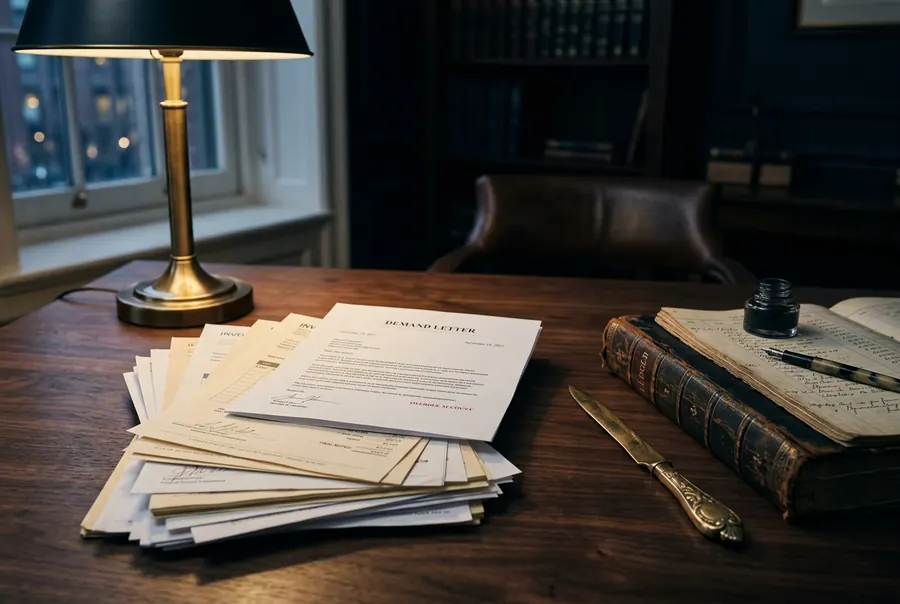
A customer stops paying for equipment, a former business partner keeps company inventory, or someone refuses to return property you own. A demand for money may not address the immediate problem: you need the actual property back. A writ of possession in California can provide a court-authorized way to recover specific personal property while a lawsuit proceeds. This article explains the claim and delivery process, the evidence courts require, and the practical limits California businesses and individuals should consider before seeking this remedy.
What a writ of possession does—and does not do
For personal property, California’s claim and delivery statutes allow a plaintiff to request a writ of possession before trial. The governing provisions begin at Code of Civil Procedure section 511.010. The writ directs a levying officer, usually the sheriff, to take identified property through the procedures authorized by law.
This is a provisional remedy, not a final decision about ownership or liability. The underlying lawsuit continues, and the defendant can contest the plaintiff’s right to possession. A money claim alone does not establish a right to take particular property.
Common examples include:
- Leased machinery that a customer refuses to return after a valid termination.
- Business equipment subject to an enforceable security interest.
- Identifiable inventory or other goods wrongfully retained by another person.
A personal-property writ is different from the writ used to recover possession of real estate following an unlawful detainer judgment. If the dispute concerns a tenant’s occupancy, a separate set of procedures applies. Likewise, collecting an ordinary unpaid invoice does not automatically give a creditor possession rights over the debtor’s assets.
What the court needs before issuing the writ
Under Code of Civil Procedure section 512.010, a plaintiff seeking a pretrial writ must submit an application supported by an affidavit. The application must describe the property and establish the basis for the plaintiff’s claimed right to possession. It must also address matters such as the property’s value, location, and wrongful detention.
Code of Civil Procedure section 512.060 requires the court to find the probable validity of the plaintiff’s claim and requires the applicable undertaking. Probable validity means the evidence must support the likelihood that the plaintiff will obtain a judgment on the possession claim; an unsupported assertion of ownership is not enough.
Useful supporting materials may include:
- Purchase records, title documents, leases, and security agreements.
- Serial numbers, photographs, and detailed equipment descriptions.
- Payment records and documents establishing default or termination.
- Written demands for return and the other party’s responses.
- Reliable information about where the property is located.
For secured creditors, counsel should review whether the agreement and applicable law actually permit repossession. For owners and lessors, the key question is often whether their right to immediate possession has arisen—not simply whether they originally supplied the goods.
Notice, hearings, and financial security
The ordinary process includes notice to the defendant and an opportunity to oppose the request at a hearing. The court reviews the competing evidence rather than treating the plaintiff’s application as an automatic entitlement to possession.
Issuance without advance notice is available only on the specific showings listed in Code of Civil Procedure section 512.020(b): property feloniously taken from the plaintiff, a credit card, or qualifying commercial property facing an immediate danger of transfer, concealment, removal from the state, substantial impairment in value, or destruction such that ex parte relief is necessary to protect it. A general concern that the defendant might move the property is insufficient. An emergency request should be evaluated carefully before filing.
The plaintiff generally must provide an undertaking before the writ issues. Code of Civil Procedure section 515.010 governs that security, which protects the defendant against certain losses if the plaintiff was not entitled to possession. The amount and any applicable exception require case-specific review.
Under Code of Civil Procedure section 515.020, the defendant may file an undertaking before or after levy to prevent the plaintiff from taking possession or to obtain redelivery. The defendant may also challenge the provisional remedy; for an ex parte writ, section 512.020(b) permits a noticed motion to quash and requests for release or redelivery of the property and, where authorized, damages. These requirements matter financially: obtaining possession can involve court fees, bond costs, sheriff’s fees, transportation, and storage. Compare those expenses with the property’s value and its importance to your operations.
How the sheriff recovers the property
Once the court issues a writ and the required conditions are satisfied, the plaintiff submits the necessary documents, instructions, and fees to the appropriate levying officer. Accurate identification and location information are essential. A vague description such as “all equipment belonging to the business” can create practical and legal problems.
A writ authorizes the levying officer—not the plaintiff personally—to seize the specified property. Entry into a private place requires the writ to specify that place and a court finding of probable cause to believe the property is there. Under Code of Civil Procedure section 514.010, after announcing the officer’s identity, purpose, and authority and demanding delivery, the levying officer may use reasonable force to open a specified building or enclosure if the property is not voluntarily delivered. The officer must use the least reasonably damaging method and comply with the statute’s safety limitations. Follow the court’s order and the levying officer’s instructions.
Recovery can also be complicated by competing ownership claims, a bankruptcy filing, or property that has been moved, transferred, or damaged. A bankruptcy automatic stay may prevent continued recovery efforts unless an exception or court relief applies.
Taking custody does not necessarily permit immediate use or sale. Preservation duties, the court’s orders, and the parties’ remaining rights must be considered while the lawsuit continues.
Deciding whether claim and delivery fits your dispute
Before requesting a writ, identify your objective: return of a particular item, payment of a debt, or both. If you have no enforceable right to possess specific property, a contract claim or another collection procedure may be more appropriate.
Consider whether a documented return agreement could resolve the dispute without provisional court proceedings. If litigation is necessary, preserve communications and avoid threats of seizure that exceed your legal rights. California businesses and individuals can seek advice about debt collection and property recovery before committing to a particular strategy.
Talk to a California business attorney
Itkin Law offers a free consultation to discuss your claimed possession rights, available evidence, and whether claim and delivery fits your circumstances. Schedule a free consultation or call (424) 603-8888.
This article is attorney advertising and provides general information only. It is not legal advice and does not create an attorney–client relationship. The law changes, and this article reflects the law as of its publication date. Every situation is different — contact us to discuss how the law applies to your exact circumstances. See our full disclaimer.