
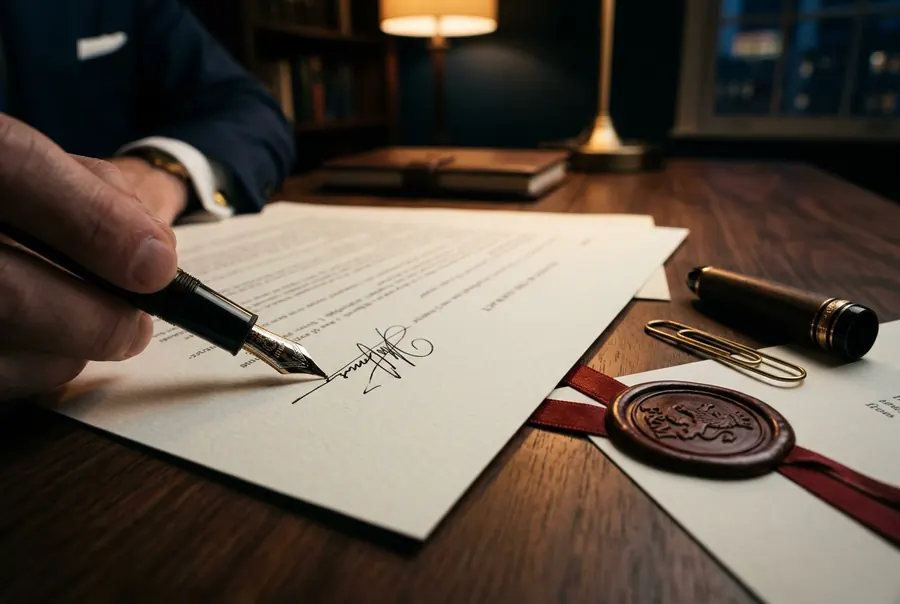
Your contract has a no oral modification clause. Now the other side says a phone call changed the deal.
Your payment, delivery deadline, or entire agreement could be on the line.
What Is a No Oral Modification Clause?
A no oral modification clause requires contract changes to follow a written process—often an amendment signed by both parties. In California, that requirement matters. But it does not erase every exception.
The key distinction: a promise is not performance. “We agreed on the phone” and “we both carried out the change” are different arguments.
- Completed oral changes can count. A written contract can be modified to the extent the parties carried out an agreed oral change. Partial performance does not automatically validate the entire change.
- Conduct can affect enforcement. Accepting different performance may support waiver. A representation, reasonable reliance, and resulting harm may support estoppel. Neither follows automatically from a verbal promise.
- A new exchange is not enough by itself. Additional services for a higher price may support an oral change—but an effective no oral modification clause can block that route.
Some changes still require a writing, including certain real estate agreements and agreements that, by their terms, cannot be performed within one year. Do not assume fairness makes a verbal deal enforceable.
Emails and texts? Sometimes. They may satisfy a writing requirement when the parties agreed to transact electronically. Required signatures, signing intent, clear terms, and approval from authorized people still matter.
Before changing performance, read the amendment requirements. Document the exact change, price, and effective date. Get the required approvals and signatures. Preserve messages, invoices, and payment records.
Already in a dispute? A California business contracts attorney can evaluate both the clause and what happened afterward.
Talk to a California business attorney
Get your contract and evidence reviewed before acting on a disputed verbal change. Schedule a free consultation or call (424) 603-8888.
This article is attorney advertising and provides general information only. It is not legal advice and does not create an attorney–client relationship. The law changes, and this article reflects the law as of its publication date. Every situation is different — contact us to discuss how the law applies to your exact circumstances. See our full disclaimer.